
The Word Drop – Craic
If you’ve watched How to Get to Heaven from Belfast, you might have heard the word craic. If you’re an American viewer, you may have wondered exactly what it means—or, for that matter, how to pronounce it.
First things first: craic is pronounced “crack.”
Today, the word is most closely associated with Ireland and Northern Ireland, where it can mean fun, entertainment, lively conversation, gossip, news, or simply what’s going on. “What’s the craic?” can mean something like “What’s happening?” or “What’s going on?” And if someone is “good craic,” they’re good company—the sort of person you’d be happy to spend an evening with, talking and laughing.
That makes Dara’s exasperated question in How to Get to Heaven from Belfast especially good: “What the fuck is the craic with people who are supposed to be dead not actually being dead?”
In other words: What on earth is going on? Which, to be fair, is a reasonable question in a mystery involving a surprising number of people who aren’t where—or what—the three friends expect them to be.
Word Origin
Despite its unmistakably Irish appearance—and its strong association with Ireland today—the word has a much more complicated history.
Its older relative is crack, a word with a long history in English and Scots. In Scotland and northern England, crack came to mean talk, conversation, news, or gossip, and that usage also became established in Ireland, particularly in Ulster.
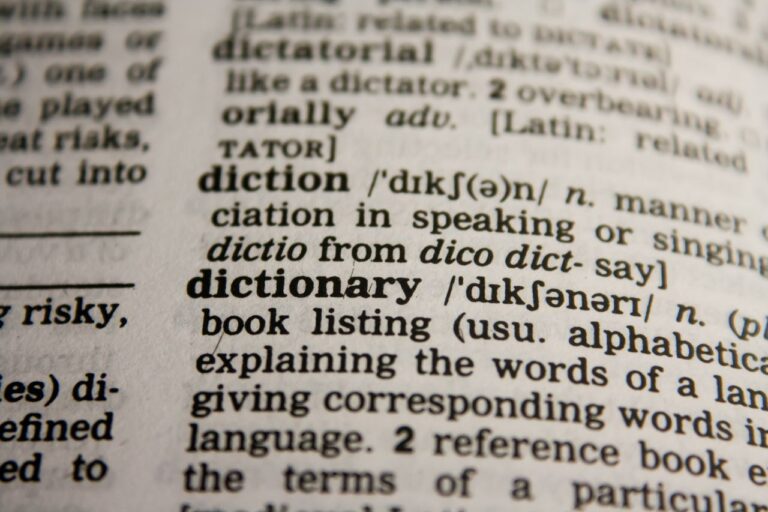
The spelling craic appeared later and became increasingly common in Ireland during the 20th century. It was also adopted into Irish: modern Irish dictionaries include craic in the sense of talk or conversation.
Over time, craic became the familiar spelling in Irish English, too.
Exactly when (and why) crack became craic is still a subject of linguistic debate. What’s clear is that the word has traveled back and forth across languages and across the Irish Sea for centuries. Its roots may not be exclusively Irish, but craic has become thoroughly at home in Ireland and Northern Ireland.
More Than Just Fun
Today, “craic” is often translated simply as “fun,” but that doesn’t quite capture it.
The word has a social quality, too. Good craic might involve jokes, stories, gossip, conversation, music, a night at the pub, or simply a group of people enjoying one another’s company. You can go somewhere “for the craic,” ask someone “what’s the craic?”, or describe someone as “good craic.”
The meaning shifts slightly with context. Sometimes it really does mean fun. Sometimes it’s closer to banter. And sometimes, as Dara demonstrates in How to Get to Heaven from Belfast, “What’s the craic?” simply means, “What the hell is going on?”
The show uses it more than once. Later in the season, when the women are questioned at a PSNI station, Dara asks, “So are we free to go, or what’s the craic here?” This time, there’s no suggestion of fun at all. She simply wants to know the situation.
Today
Craic is now strongly associated with Ireland, including Northern Ireland, and the Irish spelling has become familiar well beyond the island. But its older cousin crack hasn’t disappeared: the word and related usages survive in Scotland and parts of northern England as well.
That makes craic a particularly fitting word for How to Get to Heaven from Belfast. The series is a mystery, but so much of its appeal comes from the conversation among Saoirse, Robyn, and Dara—the jokes, the insults, the stories, and the effortless shorthand of people who have known one another for years.
There may be murder, secrets, missing people, and the occasional person who inconveniently turns out not to be dead. But there’s also plenty of craic.